
Written and medically reviewed by Dr. Scott Maymon, ND, MPH and Dr. Sarah Stone, ND, Pure Body Health, South Tempe, AZ.
Key takeaways
- Most hormonal hair loss traces back to DHT (a form of testosterone that shrinks sensitive follicles), thyroid imbalance, the estrogen and progesterone drop of perimenopause and postpartum, PCOS, or chronic stress and cortisol.
- Hormonal thinning is usually diffuse, across the crown or a widening part, rather than round bald patches.
- The fastest way to find the cause is targeted bloodwork plus a history, because more than one factor is often at play.
- Regrowth starts with treating the root cause, then supporting the follicle with proven in-clinic options like PRP, peptides, red-light therapy, and nutrient support.
- Regrowth takes months and results vary; candidacy for any therapy is determined in a consultation.
Noticing more hair in the brush, a widening part, or a thinner ponytail is unsettling, and it is one of the most common concerns people bring to us. When hair thins gradually and evenly rather than falling out in patches, the cause is often hormonal. The reassuring part is that hormones are measurable and often adjustable, so once you know which one is driving the change, there is usually a clear path to support regrowth.
What is hormonal hair loss?
Hormonal hair loss is thinning driven by a shift in the hormones that regulate your hair growth cycle, rather than by a scalp infection, a tight hairstyle, or a one-time shock to the body. Each follicle cycles through growing, resting, and shedding phases, and hormones help set how long each lasts. When androgens rise, thyroid output drops, or estrogen falls, more follicles rest and shed while fewer actively grow, and overall density slowly declines.
Hormonal hair loss is not the hair falling out all at once. It is the growth cycle quietly shifting so that shedding outpaces regrowth, which is why the change can take months to become obvious and months to turn around.
Because the process is gradual, people notice the effect long before the cause. The follicle usually stays alive and able to regrow for a long time, so finding the driver early matters.
Which hormones cause hair loss?
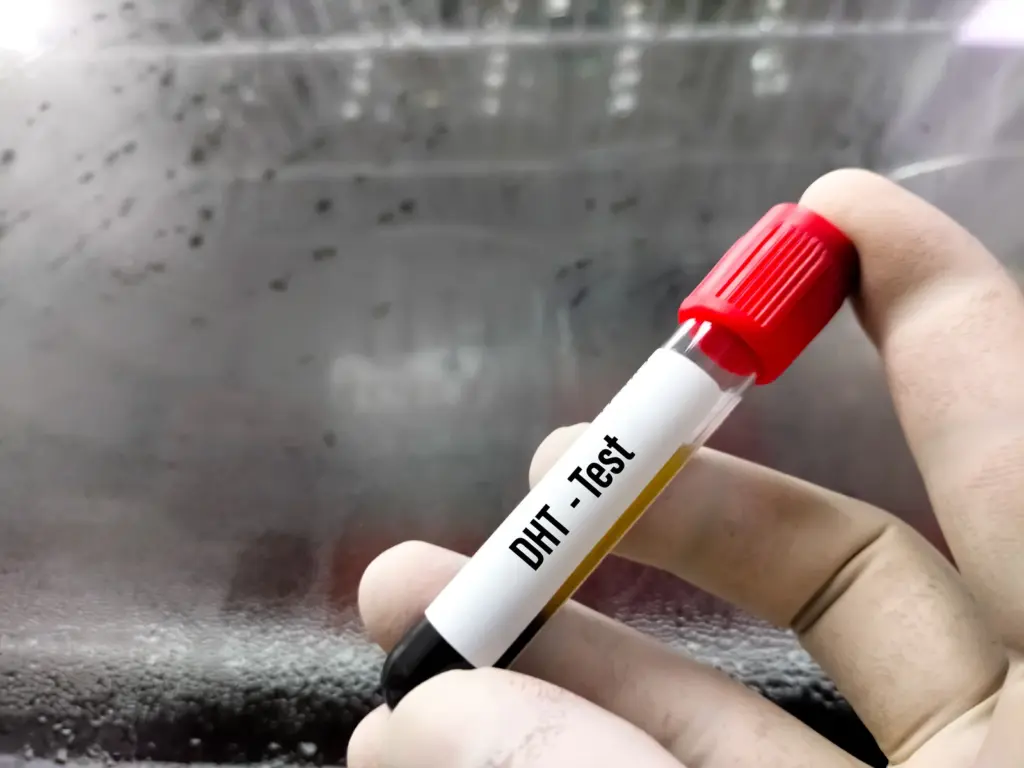
Several hormones influence the hair cycle, and it is common for two or three to overlap. These are the main drivers we look for:
DHT and androgens
Dihydrotestosterone, or DHT, is the most common hormonal cause of pattern hair loss in men and women. It is a potent form of testosterone made by the enzyme 5-alpha reductase. In follicles that are genetically sensitive to it, DHT gradually miniaturizes the hair, so each new strand grows finer, shorter, and lighter until the follicle produces little visible hair. This is the mechanism behind pattern thinning, and it is why the crown and hairline thin first.
Thyroid hormones
The thyroid sets the pace for cell turnover, including in the follicle, so both an underactive and an overactive thyroid can push hair into the shedding phase and produce diffuse thinning across the whole scalp. Thyroid-related hair loss is frequently missed because it comes bundled with vague symptoms such as fatigue, cold sensitivity, or weight change. It is a rewarding cause to find, because treating the thyroid often lets hair recover.
Estrogen and progesterone (perimenopause and postpartum)
Estrogen helps keep hair in its growth phase, so when estrogen and progesterone decline, hair spends less time growing and androgens exert a relatively stronger pull. This is why many women first notice thinning during perimenopause. The same principle explains postpartum shedding: the high estrogen of pregnancy holds hair in place, and the sharp drop after delivery releases it a few months later. Our guides to the signs of perimenopause and postpartum hair loss go deeper.
PCOS and elevated androgens
Polycystic ovary syndrome raises androgen levels, which can drive crown thinning while sometimes increasing unwanted hair elsewhere. PCOS-related thinning often travels with irregular cycles, acne, and difficulty with weight, and it responds best when the underlying insulin and hormone balance is addressed, not the hair alone.
Cortisol and chronic stress
Sustained stress raises cortisol, which can push a large share of follicles into their resting phase at once, a pattern called telogen effluvium. The shed usually shows up two to three months after the stressful period, which can make the trigger hard to connect. It is often temporary once things settle, but it can also unmask a pattern that was already developing.
How do I know if my hair loss is hormonal?
Hormonal hair loss usually looks like diffuse thinning, a widening part, or reduced volume across the crown, rather than round, coin-sized bald patches, which point to other causes. It also tends to arrive with company: fatigue, irregular cycles, weight changes, or new acne. Because the pattern alone is only a hint, the clearest way to confirm a hormonal cause and pinpoint the hormone is to combine a thorough history with the right bloodwork.
The labs and history that identify the cause
Depending on your history, a well-chosen panel usually includes:
- Thyroid: TSH, free T4, free T3, and thyroid antibodies to catch an autoimmune pattern.
- Iron status: ferritin and a full iron study, since low iron is a common and very fixable contributor to shedding.
- Sex hormones: total and free testosterone, DHEA-S, and estradiol, with additional markers when PCOS is suspected.
- Vitamin D and other nutrients that support the follicle.
- A full history: the timeline of the shed, recent pregnancy, stress, crash dieting, and family pattern.
Rapid weight loss can trigger shedding of its own, which is why we cover hair loss on a weight-loss medication separately. Reviewing this full picture at our hormone health service is how we match cause to support.
How to support regrowth by cause
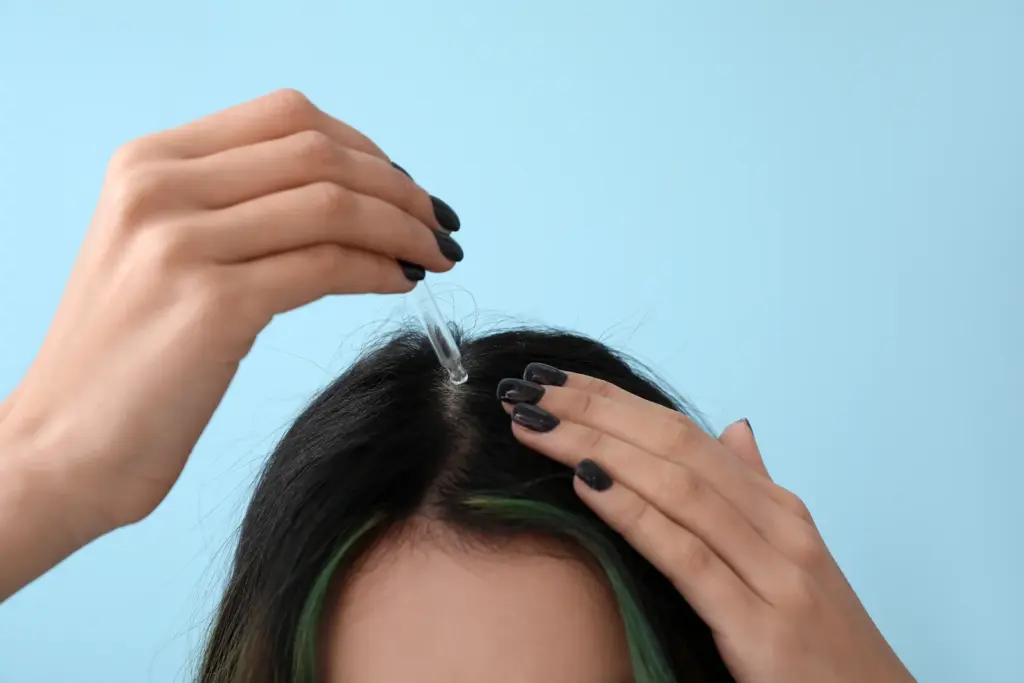
The most important principle is to treat the root cause first, then support the follicle. The approach shifts with the driver.
| Hormonal driver | What it looks like | Where support usually starts |
|---|---|---|
| DHT / pattern thinning | Gradual thinning at the crown and hairline, finer strands | Follicle support (PRP, peptides, red light), addressing androgen balance |
| Thyroid imbalance | Diffuse shedding with fatigue, temperature changes | Correcting thyroid function, then nutrient support |
| Perimenopause / postpartum | Thinning tied to a hormone shift or after delivery | Supporting the hormone transition, patience through the cycle |
| PCOS | Crown thinning with irregular cycles and acne | Insulin and androgen balance, then follicle support |
| Stress / cortisol | Sudden diffuse shed two to three months after a trigger | Stress and sleep support, ruling out other drivers |
Balance the hormones behind it
When the root cause is a hormone imbalance, correcting it is where lasting regrowth begins. That might mean optimizing thyroid function, supporting the insulin and androgen picture in PCOS, or considering hormone therapy during perimenopause when it fits you. Whether hormone replacement helps hair specifically is a nuanced question we walk through in our article on whether HRT helps with hair loss. Any hormone therapy is individualized.
Proven in-clinic options that support the follicle
Alongside treating the cause, several therapies gathered under our hair loss treatments service can support the follicles you have, often in combination.
- PRP for hair. Platelet-rich plasma uses growth factors from your own blood to support the scalp around thinning follicles. It is not FDA-approved for hair loss, and results vary; our overviews of PRP therapy for hair loss and Cellenis PRP explain the process.
- Peptide therapy. Certain peptides are used to support the signaling involved in the hair cycle. This is not an FDA-approved use, and candidacy is determined in a consultation. See our guides to peptide therapy and peptides for hair loss.
- Red-light therapy. Low-level light is used to support follicle activity at the scalp; we weigh the evidence in our piece on red-light therapy for hair loss.
- Nutrient support. Correcting low iron, vitamin D, and other deficiencies removes a common brake on regrowth and is often part of a broader plan of natural hair loss treatments.
Follicle support works best on a follicle that is still active, which is why timing matters. The earlier the hormonal driver is found and addressed, the more the scalp has to work with.
Because regrowth follows the natural hair cycle, expect to measure progress in months, not weeks. Shedding usually slows first, then baby hairs appear, and density builds gradually from there. Hair loss tied to thyroid, postpartum, stress, or a nutrient gap frequently recovers well once the cause is corrected, while pattern thinning from DHT is more about preserving the follicles you have.
At Pure Body Health in South Tempe, our two licensed naturopathic physicians look for the hormonal reason behind your thinning first, then build a regrowth plan around it. A consultation can order the right labs and map your options. Book a consultation or call (480) 427-0442.
About the authors. Dr. Scott Maymon, ND, MPH, and Dr. Sarah Stone, ND, are the licensed naturopathic physicians of Pure Body Health in South Tempe, Arizona (AZ licenses #15-1497 and #15-1496). Both earned their doctorates at the Southwest College of Naturopathic Medicine in Tempe, and they work together across hormone and metabolic health, weight management, regenerative medicine, aesthetics, and men’s and women’s health. They have cared for the South Tempe and greater Phoenix community since 2015, and they write and review this content together.
Frequently asked questions
What hormone causes hair loss?
The hormone most often behind pattern hair loss is DHT, a potent form of testosterone that shrinks sensitive follicles over time. Thyroid hormones, estrogen, progesterone, and cortisol also shape the hair cycle, so more than one hormone is often involved.
Can hormonal hair loss grow back?
Often, yes, when the follicle is still active and the underlying cause is addressed. Hair driven by thyroid imbalance, postpartum shifts, or stress frequently recovers once those settle. Pattern hair loss from DHT is more gradual, but early treatment can help preserve the follicles you have. Results vary and regrowth takes months.
How do I know if my hair loss is hormonal?
Hormonal hair loss tends to be diffuse thinning across the crown or a widening part rather than round bald patches, and it often comes with other clues such as fatigue, irregular cycles, or weight changes. The clearest way to know is bloodwork that checks thyroid, iron, and sex hormones alongside a review of your history.
Does perimenopause cause hair loss?
Yes. As estrogen and progesterone decline in perimenopause, hair spends less time in its growth phase and androgens have a relatively stronger effect, which can lead to gradual thinning. Addressing the hormone shift and supporting the follicle can help, and candidacy for any therapy is determined in a consultation.
What labs should I get for hormonal hair loss?
A useful panel usually includes thyroid markers (TSH, free T4, free T3, and thyroid antibodies), ferritin and a full iron study, vitamin D, and sex hormones such as testosterone, DHEA-S, and estradiol, with additional markers if PCOS is suspected. Your provider tailors it to your history.
This article is educational and is not medical advice. It is not intended to diagnose, treat, prevent, or cure any disease. PRP, peptide therapy, and red-light therapy are not FDA-approved for the treatment of hair loss, and individual results vary. Candidacy for any therapy, including hormone therapy, is determined by a licensed provider. Always talk with your healthcare provider about your own situation.