
Written and medically reviewed by Dr. Scott Maymon, ND, MPH and Dr. Sarah Stone, ND, Pure Body Health, South Tempe, AZ.
Key takeaways
- Low-intensity shockwave therapy for ED uses gentle acoustic waves, not electricity, and the goal is to address a common blood-flow root cause of erectile dysfunction.
- The proposed mechanism is vascular: the waves may create controlled microtrauma that prompts the body to grow new blood vessels (angiogenesis) and improve circulation.
- A typical course is a series of short in-office sessions over several weeks, with no anesthesia and minimal downtime.
- Men with mild to moderate vascular ED tend to be the most-studied candidates, but candidacy is decided in a medical evaluation.
- Honest framing: these devices are generally not FDA-approved to treat ED, the use is considered investigational and off-label, the research is developing and results are mixed, and results vary.
Shockwave therapy for erectile dysfunction gets talked about a lot, and much of that talk lands somewhere between hopeful and overblown. This article stays in the middle, where the facts are: how low-intensity shockwave is thought to work, what the research actually shows, who tends to be a candidate, and what a course looks like. If you are weighing the personal reasons to consider it, our companion piece on the reasons men consider shockwave therapy covers that side.
What is low-intensity shockwave therapy for ED?
Low-intensity shockwave therapy, also called acoustic wave therapy, is a non-invasive, in-office treatment that passes gentle pulses of acoustic energy into tissue. Despite the name, there is no electric shock involved. A handheld applicator is moved over the area, delivering pressure waves you feel as a light tapping. The interest in erectile dysfunction comes from a specific idea about blood flow.
The word “shockwave” sounds dramatic, but the low-intensity version used for erectile dysfunction is a gentle acoustic pulse, not an electric current. The aim is to work with the body’s own repair processes rather than to force a result.
How is shockwave therapy thought to work for ED?
The proposed mechanism is vascular. Erections depend on healthy blood flow into the penis, and a large share of erectile dysfunction traces back to circulation that is not what it once was. Low-intensity shockwave therapy is designed to target that root cause. Here is the step-by-step idea.
1. Acoustic waves create controlled microtrauma
The applicator delivers low-intensity acoustic waves into the target tissue. These waves are thought to create very small amounts of controlled stress, sometimes called microtrauma. The point is not to injure tissue but to gently signal the body that repair and renewal are needed, the same kind of signal that sets healing in motion elsewhere.
2. The body may respond by growing new blood vessels
In response to that signal, the body’s natural repair machinery is believed to switch on. One part of that response is angiogenesis, the growth of new blood vessels. The idea is that stimulating this process in the penile tissue could, over time, build fresher circulation where blood flow had declined.
3. Improved blood flow addresses a root cause, not just a symptom
Better circulation is the goal because better circulation is what an erection needs. Rather than working only in the moment the way some medications do, shockwave therapy is designed to act on the underlying blood supply, and because so many cases of ED have a vascular component, that root-cause angle draws interest. It is worth being precise, though: this is a proposed mechanism, still being studied, not a settled fact.
The theory is straightforward and appealing: prompt the body to build new blood vessels and improve circulation, and you support erectile function at its source. The important word is “theory,” because the human evidence is still catching up.
Is shockwave therapy effective for ED, and is it FDA-approved?
The honest answer is that the evidence is promising but still developing, and results are mixed. Some studies of low-intensity shockwave therapy have reported improved erectile function, most encouragingly in men with mild to moderate vascular ED, while other studies have found little difference from placebo. That is a normal picture for a treatment still being investigated, and it is why no outcome should be promised.
On regulatory status, it is important to be clear. Low-intensity shockwave devices are generally not FDA-approved to treat erectile dysfunction, and this use is considered investigational and off-label. The American Urological Association describes shockwave therapy for ED as investigational. None of that makes the treatment reckless, but it does mean the therapy has not cleared the FDA’s bar for this purpose, and you deserve to weigh it with that in full view.
Positive first, and plainly: the research is genuinely encouraging in some studies, and there is a sound biological rationale. Just as plainly, the device we use is registered with the FDA as a Class I device, but it is not FDA-approved or FDA-cleared to treat ED. The use is off-label and investigational, results are mixed, and results vary from person to person.
Who tends to respond best to shockwave therapy?
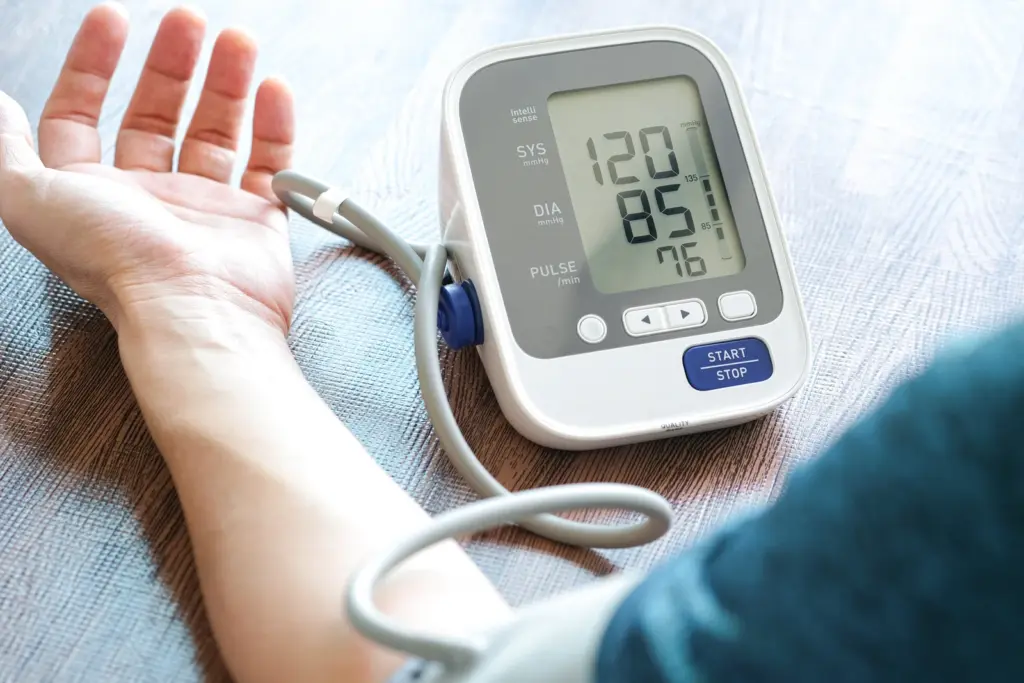
The men most studied, and the ones who tend to see the most benefit, are those with mild to moderate ED that has a vascular basis. The logic follows the mechanism: if reduced blood flow is the main issue, a treatment aimed at circulation has more to work with. Men whose ED stems mainly from other causes, such as hormonal, neurological, medication-related, or psychological factors, may be less likely to benefit from this approach alone.
Why blood flow matters so much for erections
Most erectile dysfunction has a physical cause, and blood flow is the biggest piece of it. Clinical reviews estimate that up to 80 percent of ED cases have an organic (physical) cause, and vascular problems make up the largest group. Other physical causes include nerve, hormonal, medication-related, and structural factors, which is why a full workup matters.
An erection is a blood-flow event. Sexual stimulation releases nitric oxide, which relaxes the smooth muscle in the penile arteries so more blood can flow in. As the erectile tissue fills, it presses on the veins that would drain it, and that trapped blood creates firmness. When the lining of the blood vessels (the endothelium) isn’t working well, less nitric oxide is available, the arteries widen less, and erections become less firm or harder to keep. It’s also why common ED medications work the way they do: they don’t create an erection on their own, they strengthen the nitric oxide pathway, which still depends on healthy blood vessels.
ED can also be an early warning sign. In a study published in the Journal of the American College of Cardiology, men with ED but no diagnosed heart disease already showed impaired blood-vessel function, which suggests the problem is often body-wide. Because the penile arteries are smaller than the arteries that feed the heart, they may show circulation problems sooner, an idea researchers call the artery size hypothesis. That’s one more reason we look at your cardiovascular and metabolic health, not just the symptom.
Because ED has so many possible causes, candidacy is decided in a medical evaluation rather than assumed. Erectile dysfunction is often an early signal of something broader in cardiovascular or metabolic health, so a proper workup looks at the whole picture. For some men, the more valuable step is checking hormones through men’s hormone optimization, and even musculoskeletal issues can play a role, as we cover in the link between lower back pain and sexual performance. A thorough erectile dysfunction treatment plan starts by identifying the actual root cause.
What does a treatment course look like?
A course of shockwave therapy is a series of short in-office sessions rather than a single procedure, spread over several weeks. Each visit is brief, with typically no anesthesia and minimal downtime, so men usually go back to their normal day right afterward. Your provider tailors the specifics to you.
| What to expect | Typical picture |
|---|---|
| Setting | In-office, non-surgical, clothing-protected |
| Session length | About 15 to 20 minutes |
| Course length | A series of sessions over several weeks (protocols vary, often around 6 to 12) |
| Anesthesia | Not typically needed |
| Sensation | Usually a light tapping or tingling |
| Downtime | Minimal; most men resume normal activity the same day |
| Results timeline | Gradual, since any new vessel growth takes time; results vary and are not guaranteed |
Because the effect is gradual tissue change rather than an on-the-spot fix, benefits, when they occur, tend to build over the weeks of the course and beyond. As with any procedure there can be side effects, such as temporary redness, tenderness, or mild bruising, and there are contraindications, which is another reason the medical evaluation comes first.
How does shockwave compare with other ED options?

Shockwave therapy is one tool among several, and the right choice depends on what is driving your ED. It is not the only regenerative-style option, and it is not a replacement for addressing underlying health, so many men do best with a combined plan.
| Approach | Core idea | Good to know |
|---|---|---|
| Low-intensity shockwave | Acoustic waves aimed at improving blood flow | Non-invasive; investigational and off-label for ED; results mixed |
| PRP-based injections | Uses your own platelet-rich plasma to support tissue | Also not FDA-approved for this use; see our note on ozonated PRP as a natural ED treatment |
| The P-Shot | A specific PRP procedure for erectile function | Covered in our guide to the P-Shot for erectile function |
| Root-cause care | Hormones, cardiovascular and metabolic health, lifestyle | Often the highest-value starting point in a full workup |
For a grounded overview that separates the hype from what genuinely helps, our article on real solutions for erectile dysfunction is a good next read, and our broader approach to men’s sexual health care puts these options in context.
At Pure Body Health in South Tempe, two licensed naturopathic physicians look at the whole picture behind erectile dysfunction, then talk through whether shockwave therapy, a regenerative option, or root-cause care fits you, with honest expectations and no pressure. Book a consultation or call (480) 427-0442.
About the authors. Dr. Scott Maymon, ND, MPH, and Dr. Sarah Stone, ND, are the licensed naturopathic physicians of Pure Body Health in South Tempe, Arizona (AZ licenses #15-1497 and #15-1496). Both earned their doctorates at the Southwest College of Naturopathic Medicine in Tempe, and they work together across hormone and metabolic health, weight management, regenerative medicine, aesthetics, and men’s and women’s health. They have cared for the South Tempe and greater Phoenix community since 2015, and they write and review this content together.
Frequently asked questions
How does shockwave therapy work for ED?
The proposed mechanism is vascular. Low-intensity acoustic waves are passed into the tissue of the penis, where they are thought to create tiny amounts of controlled stress that may prompt the body’s natural repair response. That response is believed to encourage the growth of new blood vessels, a process called angiogenesis, which could improve blood flow. Because many cases of ED have a blood-flow root cause, the goal is to address that cause rather than only the symptom. This is a proposed mechanism, and the research is still developing.
Is shockwave therapy effective for ED?
The evidence is promising but still developing, and results are mixed. Some studies of low-intensity shockwave therapy have reported improved erectile function, particularly in men with mild to moderate vascular ED, while others have shown little difference from placebo. Results vary from person to person, and no outcome is guaranteed. Whether it is a reasonable option for you is a decision made in a medical evaluation.
Is shockwave therapy for ED FDA-approved?
Generally no. Low-intensity shockwave devices are not FDA-approved to treat erectile dysfunction, and using them for ED is considered investigational and off-label. The American Urological Association describes shockwave therapy for ED as investigational. That does not make it unsafe or useless, but it does mean the treatment has not cleared the FDA’s bar for this specific use, so honest expectations matter.
How many shockwave therapy sessions are needed for ED?
A typical course is a series of short in-office sessions over several weeks, often in the range of six to twelve depending on the protocol and your response. Each visit usually lasts about 15 to 20 minutes, requires no anesthesia, and has minimal downtime, so most men return to their normal day right afterward. Your provider sets the exact schedule for you.
Does shockwave therapy for ED hurt or have downtime?
Most men describe the sessions as painless or easily tolerable, often a light tapping or tingling, and no anesthesia is used. Downtime is usually minimal. As with any procedure there can be side effects, such as temporary redness, tenderness, or bruising at the treatment site, and there are contraindications, which is why a medical evaluation comes first.
This article is educational and is not medical advice. It is not intended to diagnose, treat, prevent, or cure any disease. Low-intensity shockwave therapy is not FDA-approved for erectile dysfunction, and this use is considered investigational and off-label. Individual results vary, and candidacy is determined by a licensed provider. Always talk with your healthcare provider about your own situation.