
Written and medically reviewed by Dr. Scott Maymon, ND, MPH and Dr. Sarah Stone, ND, Pure Body Health, South Tempe, AZ.
Key takeaways
- Non-surgical vaginal rejuvenation is an umbrella of in-office treatments for dryness, laxity, mild stress incontinence, and discomfort, concerns that often follow childbirth or the hormone changes of menopause.
- The main approaches are energy-based and acoustic therapies, PRP-based regenerative treatments, topical CO2 treatments, and hormone support where appropriate.
- None of them involve surgery or meaningful downtime, and most people return to their day the same afternoon.
- Evidence varies by treatment, several of these uses are not FDA-cleared for vaginal rejuvenation, and results vary from person to person.
- The right option depends on your symptoms, health history, and goals, and candidacy is determined in a private medical consultation.
Changes in vaginal comfort, tone, and moisture are common, and they are much more common than most conversations let on. They often begin quietly after childbirth or during the hormone shifts of perimenopause and menopause, and they can affect comfort, confidence, and intimacy in ways that feel very personal. If you have started looking into non-surgical vaginal rejuvenation, this guide walks through what the term actually means, the main options, what each one may help with, and how to tell whether any of them is a fit for you.
What is non-surgical vaginal rejuvenation?
Non-surgical vaginal rejuvenation is an umbrella term for a group of in-office treatments that address vaginal dryness, laxity, mild stress incontinence, and related discomfort without surgery, general anesthesia, or long recovery. Rather than one procedure, it describes several different methods that work in different ways and suit different concerns.
The concerns these treatments address are usually rooted in two life stages. After childbirth, the tissue and supporting structures can stretch and change tone. During and after menopause, falling estrogen thins and dries the vaginal tissue, a change often described as vaginal atrophy. If your symptoms are mostly about dryness and comfort with hormone change, our overview of menopause and vaginal atrophy is a useful companion read.
Non-surgical vaginal rejuvenation is not a single procedure. It is a family of gentle, in-office options that share one goal: to improve comfort, moisture, and tone without surgery or downtime.
Because it is a category rather than one treatment, the honest answer to “does it work” depends entirely on which option, which concern, and which person. That is why this article treats each approach on its own terms, and why a consultation, rather than a website, is where a real recommendation is made.
The main non-surgical approaches, and how each may help
There are four broad approaches used today. They can be used alone or, in some cases, thoughtfully combined. Each targets the underlying concern in a different way.
Energy-based and acoustic therapies
These treatments deliver controlled energy or acoustic waves to the tissue to encourage the body’s own repair processes, including blood flow and collagen support. Acoustic wave therapy, sometimes called shockwave therapy, is one example. The aim is to support tone and comfort gradually over a short series of sessions rather than all at once. You can read more about how shockwave therapy works in our dedicated guide, and see our shockwave therapy for vaginal rejuvenation service page for how we use it here.
PRP-based regenerative treatments
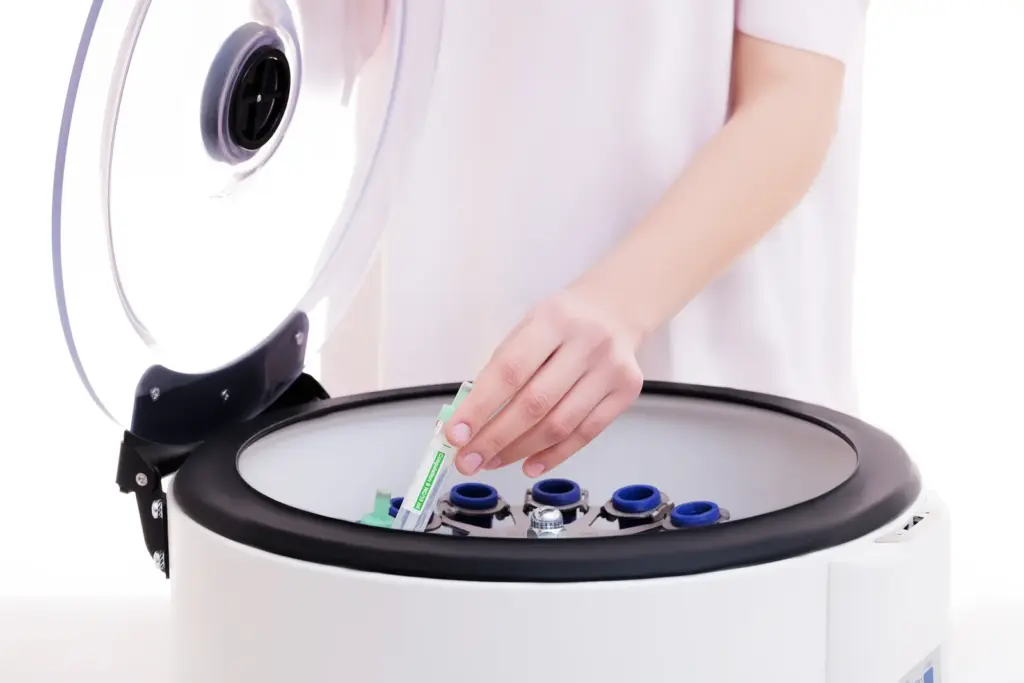
Platelet-rich plasma, or PRP, is prepared from a small sample of your own blood, concentrated, and applied to support the tissue’s natural regenerative signals. In a vaginal health setting, it is sometimes used to support moisture, sensation, and mild bladder-control concerns. Our overview of regenerative solutions for vaginal health and bladder control explains this approach in more detail. It is worth stating plainly that PRP for these uses is not FDA-cleared, and the evidence is still developing.
Topical CO2 treatments
Topical carbon dioxide treatments use a gel-based application intended to support hydration and comfort at the tissue surface, without heat or ablation. For women whose main concern is dryness and everyday comfort, this can be a gentle, low-intensity option. Our page on topical CO2 vaginal treatment describes what a session involves.
Hormone support, where appropriate
When symptoms are driven by menopause, the most direct lever is often the hormones themselves. Localized or systemic hormone support, guided by your history and, where needed, lab work, can address the root cause of dryness and thinning rather than only the surface. This is decided individually and is not right for everyone. Our hormone optimization program is often where this conversation starts, and it can be paired with any of the treatments above.
How the options compare at a glance
The best-fit option depends on your main concern, not on which treatment is newest. This table is a starting point for a conversation, not a substitute for one.
| Approach | Often considered for | What it involves | Compliance note |
|---|---|---|---|
| Energy-based and acoustic therapies | Laxity, tone, comfort, blood flow | A short series of quick in-office sessions | Not FDA-cleared for vaginal rejuvenation; evidence varies |
| PRP-based regenerative treatments | Moisture, sensation, mild bladder-control concerns | Your own concentrated plasma, applied in-office | Not FDA-cleared for this use; evidence is developing |
| Topical CO2 treatments | Dryness and everyday comfort | A gentle gel-based application, no heat | Used for comfort; set expectations individually |
| Hormone support | Menopausal dryness and thinning | Localized or systemic hormone therapy, guided by history and labs | Prescribed and monitored; not right for everyone |
What are realistic expectations?

Improvement, when it comes, is usually gradual and partial rather than dramatic, and it varies from person to person. These are supportive treatments, not guarantees. Some women notice meaningful relief in dryness or comfort, some notice a modest change, and some notice little. Honest care means saying that up front and measuring against your own goals rather than a promise.
A few principles help set the right expectation. Most energy-based and regenerative approaches work over a short series and build gradually, so a single session is rarely the whole story. Because the underlying causes differ, matching the method to the concern matters more than choosing the most talked-about treatment. And because several of these uses are not FDA-cleared, and the research continues to evolve, a good provider will be candid about what is well supported and what is still emerging.
The goal is comfort and confidence, measured against your own baseline. A treatment that eases daily dryness or supports mild symptoms is a real win, even if it is not a cure.
Who is, and is not, a candidate?
Good candidates are generally women bothered by dryness, laxity, or mild stress incontinence after childbirth or during menopause, who are in good general health and have realistic expectations. These treatments are chosen to fit the person, which is why the same option is not right for everyone.
Non-surgical vaginal rejuvenation is generally not appropriate during pregnancy, with an active vaginal or urinary infection, with certain cancers or a recent related history, or alongside some other medical conditions. New or unexplained bleeding, pelvic pain, or urinary symptoms should always be evaluated first, because comfort concerns can occasionally point to something that needs direct medical attention rather than a cosmetic approach. When symptoms are more significant, such as pronounced prolapse or moderate-to-severe incontinence, a surgical or specialist evaluation may be the more appropriate path, and we will say so.
This is exactly why candidacy is determined in a private medical consultation. A short, confidential conversation about your history and goals is the only responsible way to know whether any of these options fits, and which one. You can see the full picture of what we offer on our women’s health services page.
At Pure Body Health in South Tempe, these conversations are private, unhurried, and led by two licensed naturopathic physicians who look at the whole picture, hormones included. If you are wondering which option, if any, fits your situation, a consultation is the place to start. Request a consultation or call (480) 427-0442.
How Pure Body Health approaches vaginal rejuvenation
We start with the cause, not the catalog. Because our physicians work in hormones and regenerative medicine every day, we can look at whether your symptoms are driven mainly by hormone change, tissue change, or both, and then match an option to that. For menopausal dryness, hormone support may do the most; for tone and comfort, an energy-based or regenerative approach may fit; for everyday dryness, a gentle topical option may be enough. Often the answer is a small, staged plan rather than a single treatment, reviewed as you go. Whatever we recommend, we keep it conservative, evidence-informed, and honest about what is and is not known.
About the authors. Dr. Scott Maymon, ND, MPH, and Dr. Sarah Stone, ND, are the licensed naturopathic physicians of Pure Body Health in South Tempe, Arizona (AZ licenses #15-1497 and #15-1496). Both earned their doctorates at the Southwest College of Naturopathic Medicine in Tempe, and they work together across hormone and metabolic health, weight management, regenerative medicine, aesthetics, and men’s and women’s health. They have cared for the South Tempe and greater Phoenix community since 2015, and they write and review this content together.
Frequently asked questions
What is non-surgical vaginal rejuvenation?
It is an umbrella term for in-office treatments that address vaginal dryness, laxity, mild stress incontinence, and related discomfort without surgery or downtime. It covers energy-based and acoustic therapies, PRP-based regenerative treatments, topical CO2 treatments, and hormone support, chosen to fit the concern. Results vary, and candidacy is determined in a private medical consultation.
Do non-surgical vaginal rejuvenation treatments really work?
Evidence varies by treatment and by the concern being addressed, and many of these uses are not FDA-cleared. Some people notice improvement in dryness, comfort, or mild symptoms, while others see little change. Because outcomes differ from person to person, a consultation that reviews your history is the honest way to set expectations.
Is non-surgical vaginal tightening the same as surgery?
No. Non-surgical approaches do not cut or remove tissue. They aim to support the tissue and surrounding structures through energy, regenerative, topical, or hormonal methods. They are generally lower risk and lower downtime than surgery, but they work more gradually and are not a substitute for surgical repair when that is medically indicated.
Who is a candidate for non-surgical vaginal rejuvenation?
Good candidates are often women bothered by dryness, laxity, or mild stress incontinence after childbirth or during menopause, who are in general good health and have realistic expectations. It is not appropriate during pregnancy, with an active infection, certain cancers, or some other conditions. Candidacy is always determined in a private medical consultation.
Is there downtime with non-surgical vaginal rejuvenation?
Most non-surgical options involve little to no downtime, and many people return to their day the same afternoon. Your provider will give specific aftercare, which may include a short pause on certain activities depending on the treatment. Any temporary sensitivity is usually mild and brief.
This article is educational and is not medical advice. It is not intended to diagnose, treat, prevent, or cure any disease. Several of the uses described are not FDA-cleared for vaginal rejuvenation, evidence varies by treatment, and individual results vary. Some treatments are not appropriate during pregnancy or with certain medical conditions. Candidacy is determined by a licensed provider in a private consultation. Always talk with your healthcare provider about your own situation.