
Written and medically reviewed by Dr. Scott Maymon, ND, MPH and Dr. Sarah Stone, ND, Pure Body Health, South Tempe, AZ.
Key takeaways
- Skin usually gets dry for three reasons: a compromised moisture barrier, age, and a dry environment. The Arizona climate of heat, sun, and low humidity can make it worse.
- Dryness and dehydration are different. Dry skin lacks oil and is a type. Dehydrated skin lacks water and is a temporary condition any skin type, including oily, can have.
- A professional hydrating facial does more than a store-bought cream: it pairs deeper delivery of hydration and nutrients with gentle exfoliation and barrier support in one visit.
- Options range from a pure hydration boost to treatments that add resurfacing or collagen support, matched to your skin in a consultation.
- A facial is a cosmetic treatment, not a medical therapy for a skin disease. Results vary, and simple at-home habits make them last.
If your skin feels tight after you wash it, looks dull by mid-afternoon, or flakes no matter how much lotion you use, you are far from alone. Dry, thirsty skin is one of the most common concerns we hear about, especially from people living in the Valley. The encouraging part is that it is very manageable once you understand why it happens.
Why does skin get dry in the first place?
Skin gets dry when it loses water faster than it can hold on to it. That usually comes down to three things working together: a weakened moisture barrier, the natural changes that come with age, and the environment around you. Each one can act on its own, but they often stack.
Dry skin is rarely just a lack of moisturizer. More often it is a barrier that has trouble keeping water in, which is why lasting relief comes from repairing the barrier, not only from adding cream on top.
A compromised moisture barrier
The outermost layer of your skin works like a brick wall, with skin cells as the bricks and a blend of natural oils and lipids as the mortar that seals water in and keeps irritants out. Harsh cleansers, over-exfoliating, very hot showers, and sun exposure can wear it down. When the barrier is compromised, water escapes and the skin feels tight, rough, and reactive no matter how much you moisturize.
Age
As we get older, the skin naturally produces less oil, holds less water, and turns over more slowly. That is a normal part of maturing skin, and one reason hydration that felt effortless in your twenties takes more intention later. It also tends to travel with texture changes, which is why hydration is a first step in addressing concerns like crepey skin on the face and neck.
The environment, including our Arizona climate
Where you live matters. Low humidity, heat, and strong sun all pull moisture out of the skin, and here in South Tempe and across the Valley that is a year-round reality rather than a seasonal one. Add long stretches of indoor air conditioning, which dries the air further, and it is easy to see why so many people here describe their skin as thirsty. It does not mean your skin is damaged, only that it needs more support than it would in a humid climate.
Dry versus dehydrated skin: what is the difference?
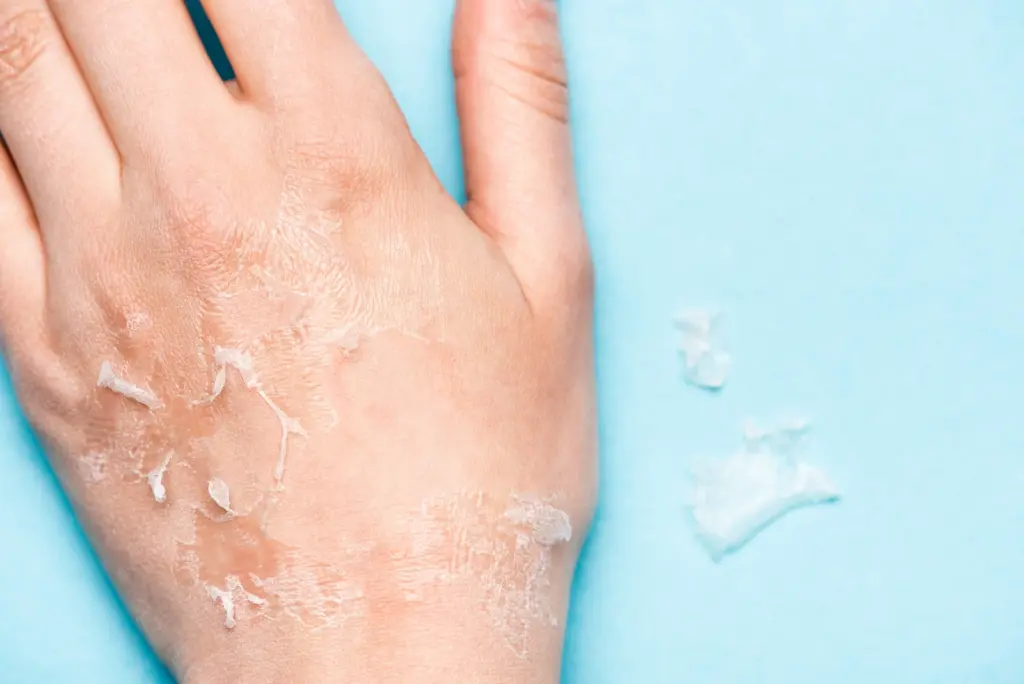
These two words get used as if they mean the same thing, but they point to different problems. Dry skin lacks oil. Dehydrated skin lacks water. Dry skin is a type you tend to have consistently, while dehydration is a temporary condition that any skin type can develop, including oily and combination skin.
| Clue | Points to dry skin (lacks oil) | Points to dehydrated skin (lacks water) |
|---|---|---|
| What it is | A skin type | A temporary condition |
| How it feels | Tight, flaky, rough most of the time | Tight after cleansing, looks dull, can still feel oily |
| Who gets it | People whose skin makes less oil | Anyone, including oily skin types |
| What it responds to | Richer oils and lipids that seal moisture in | Water-binding ingredients that draw and hold water |
Many people, especially in a dry climate, have both at once: a skin type that runs dry and a barrier short on water. A good hydrating facial and a smart home routine address both, and our guide on how to hydrate skin day to day covers the everyday habits.
What does a professional hydrating facial actually do?
A professional hydrating facial does three things a jar of cream cannot: it prepares the skin so hydration can sink in, delivers water-binding and nourishing ingredients deeply and evenly, and finishes by supporting the barrier that keeps all of that in.
The difference between a store-bought routine and a medical hydrating facial is depth and delivery. A cream mostly sits on the surface. A professional treatment clears the way first, then drives hydration and nutrients past the outer layer where they can do more.
A typical visit moves through a few stages:
- Gentle exfoliation. Clearing the buildup of dead surface cells lets everything that follows absorb better instead of stopping at the flaky top layer.
- Deep delivery of hydration and nutrients. Clinical-grade serums rich in water-binding and skin-nourishing ingredients are worked into the skin using professional techniques and devices, so they reach beyond the surface.
- Barrier support and protection. The treatment finishes by sealing in the hydration and calming the skin, which is what makes the fresh, plumped look hold rather than fade.
Because the whole sequence happens in one guided visit under the eye of a licensed provider, the result is usually more noticeable and more even than layering products at home. A facial is a cosmetic treatment to hydrate and refresh the skin, not a medical treatment for a skin disease.
Which hydrating facial is right for dry skin?
The best facial for dry skin is the one matched to what your skin needs, which is why we start with a consultation rather than a menu. Some people want a pure moisture boost, others want to pair hydration with resurfacing or collagen support. A few options we often talk through with dry-skin patients:
- Our AquaFirme XS hydrating facial is a strong first choice when the priority is deep, gentle hydration and barrier support.
- The Mermaid Facial is a favorite for people who want hydration and a luminous, refreshed glow from one treatment.
- When dryness travels with texture or fine lines, pairing hydration with microneedling for facial rejuvenation can support smoother, more resilient skin. If that is your concern, our overview of the difference between fine lines and wrinkles is a helpful next read.
Which of these fits you, and how many sessions make sense, is decided together in a consultation.
How do I make the results last at home?
The habits between visits are what protect your results, and they are simple. A facial gives your skin a strong start, and a steady home routine keeps the barrier supported so the hydration does not slip away, which matters most in a dry climate.
- Cleanse gently. Use a mild, non-stripping cleanser and lukewarm rather than hot water, so you do not wash away the oils your barrier needs.
- Layer water, then seal it. Apply a water-binding serum to damp skin, then a moisturizer on top to lock it in. On dry skin, the sealing step is the one most often skipped.
- Protect from the sun daily. Broad-spectrum natural sunscreen every morning is one of the best things you can do for hydration and long-term skin health in Arizona.
- Support the air around you. A humidifier indoors, especially with the air conditioning running, gives the skin less reason to give up its water.
- Hydrate from the inside too. Steady water intake and a nutrient-rich diet give the skin the raw materials it uses to stay resilient.
At Pure Body Health in South Tempe, our hydrating facials are chosen and performed with a naturopathic eye for skin health. If your skin feels dry, tight, or dull, a consultation can match you to the right treatment. Book a consultation or call (480) 427-0442.
How Pure Body Health approaches skin hydration
We treat skin the way we treat the rest of the body: by looking for the underlying reason it is struggling, not only the symptom on the surface. For dry, thirsty skin that means pairing a well-chosen hydrating facial, part of our natural aesthetics services, with barrier care, sun protection, and the habits that keep water where it belongs.
About the authors. Dr. Scott Maymon, ND, MPH, and Dr. Sarah Stone, ND, are the licensed naturopathic physicians of Pure Body Health in South Tempe, Arizona (AZ licenses #15-1497 and #15-1496). Both earned their doctorates at the Southwest College of Naturopathic Medicine in Tempe, and they work together across hormone and metabolic health, weight management, regenerative medicine, aesthetics, and men’s and women’s health. They have cared for the South Tempe and greater Phoenix community since 2015, and they write and review this content together.
Frequently asked questions
What is the best facial for dry skin?
The best facial for dry skin is a professional hydrating facial that both replaces lost moisture and helps repair the barrier that holds it in. It combines gentle exfoliation, deep delivery of water-binding ingredients, and a protective finish. The right option depends on your skin, so the choice and candidacy are decided in a consultation.
What is the difference between dry and dehydrated skin?
Dry skin lacks oil and is a skin type, while dehydrated skin lacks water and is a temporary condition. Dry skin tends to feel tight, flaky, and rough. Dehydrated skin can affect any skin type, including oily skin, and often looks dull and feels tight after cleansing. Many people have both at once, especially in a dry climate.
How is a medical hydrating facial different from an at-home routine?
A professional hydrating facial uses clinical-grade preparation and delivery to move hydration and nutrients deeper and more evenly than a cream sitting on the surface. It also pairs hydration with gentle exfoliation and barrier support in one visit, tailored to your skin by a licensed provider. A good home routine maintains those results between visits.
How often should I get a hydrating facial for dry skin?
Many people start with a short series a few weeks apart, then move to a maintenance visit every four to six weeks. The right rhythm depends on your skin, your goals, and the season, and in a dry climate some people benefit from more frequent hydration in the driest months. Your provider will set a schedule with you.
Does a hydrating facial help with Arizona’s dry climate?
It can help. Low humidity, heat, sun, and indoor air conditioning all pull moisture from the skin and can stress the barrier, which is why many people in the Valley notice more tightness and flaking. A hydrating facial replaces water, supports the barrier that keeps it in, and comes with a plan to protect that hydration at home. Results vary from person to person.
This article is educational and is not medical advice. It is not intended to diagnose, treat, prevent, or cure any disease. A hydrating facial is a cosmetic treatment and is not a medical treatment for a skin disease. Candidacy for any treatment is determined by a licensed provider, and individual results vary. Always talk with your healthcare provider about your own situation.