
Written and medically reviewed by Dr. Scott Maymon, ND, MPH and Dr. Sarah Stone, ND, Pure Body Health, South Tempe, AZ.
Key takeaways
- A medically supervised program at a naturopathic clinic is a step-by-step plan overseen by a licensed physician, not a one-size product or a prescription handed over on its own.
- It usually moves through the same stages: an in-depth consultation, lab work to find root causes, a personalized nutrition and movement plan, hormone and metabolic support, supportive tools, medication when it fits, and structured follow-up.
- Testing comes first. Thyroid, insulin, hormones, and inflammation are checked so the plan treats the real driver instead of guessing.
- Peptide therapy, nutrient injections, and appetite-management medication are tools that support the plan, chosen for you rather than assumed.
- At Pure Body Health in South Tempe, two licensed naturopathic physicians oversee the plan and adjust it at each visit. Results vary, and candidacy is decided in a consultation.
If you have looked into weight loss and felt lost between crash diets on one side and a quick prescription on the other, you are not alone. A medically supervised program sits between those extremes: structured, overseen by a physician, and built around your body rather than a template. This article walks through what a real program at a naturopathic clinic actually includes, stage by stage, so you know what to expect before you book. If you are more curious about the thinking behind it, our companion piece on why a naturopathic approach starts with root causes goes deeper on the “why.”
What is a medically supervised naturopathic weight-loss program?
A medically supervised naturopathic weight-loss program is a personalized plan, overseen by a licensed physician, that combines testing, nutrition, and targeted medical support to help you lose weight in a way your body can sustain. The naturopathic part means it starts by looking for the underlying reasons weight has been hard to lose, then addresses them directly.
The difference between a diet and a medical program is oversight and testing. A diet tells you what to eat. A program asks why the weight is there, measures it, and builds the plan around the answer.
At Pure Body Health, that oversight comes from two licensed naturopathic physicians, and the framework draws on both naturopathic medicine and functional medicine, which share a focus on treating root causes rather than managing the scale alone. Here is the path most patients move through.
Step 1: The initial consultation and health history
Everything starts with a thorough conversation, not a scale. The first visit is a detailed consultation where your physician reviews your full health history, past attempts at weight loss, medications, sleep, stress, energy, digestion, and your actual goals. This is where a real program separates itself from a template, because two people at the same weight can have completely different reasons for being there. The threads that seem unrelated to weight, such as how you sleep or whether your cycle has changed, often point to the driver that testing then confirms.
Step 2: Lab work to find the root causes
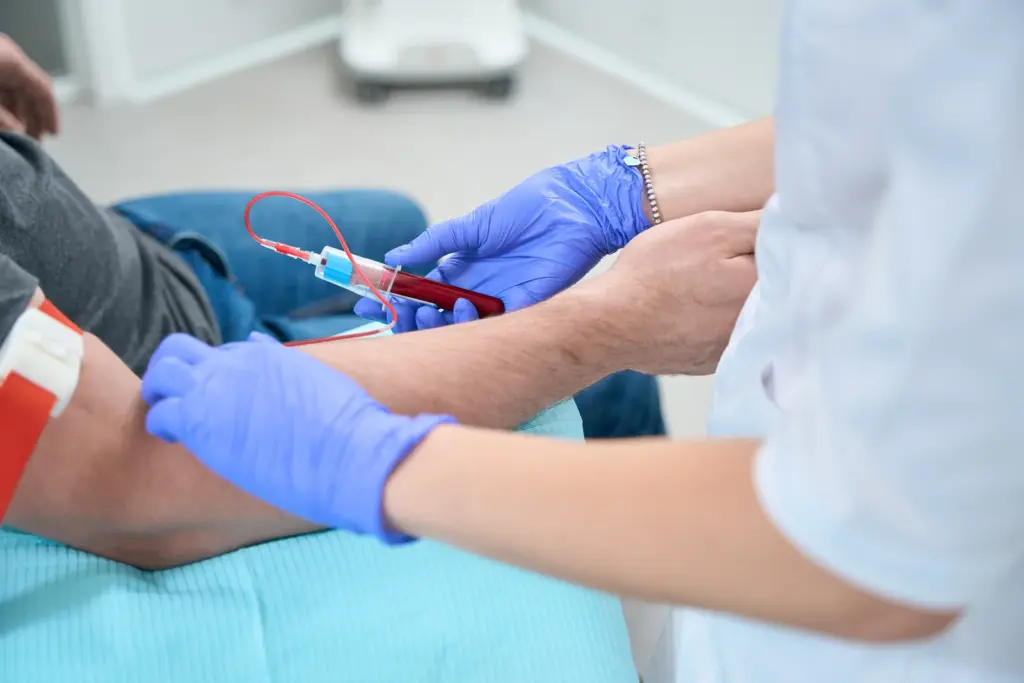
Lab work is what turns a guess into a plan. Rather than assuming everyone gains weight for the same reason, your physician orders testing to look for the specific, treatable drivers behind your weight. Testing is individualized, but a weight-focused workup often looks at:
- Thyroid function, since an underactive thyroid slows metabolism and makes loss difficult.
- Fasting glucose and insulin, or A1c, to see how your body is handling blood sugar and whether insulin resistance is in play.
- Sex hormones and cortisol, because hormonal shifts and chronic stress both change where and how the body stores fat.
- A full lipid panel and inflammatory markers, which give a picture of metabolic health beyond weight alone.
- Vitamin D, B12, and other nutrients, since low levels can quietly sap energy and stall progress.
When a program tests before it prescribes, the plan treats what is actually happening in your body. That is the whole point of a naturopathic approach: measure the cause, then match the treatment to it.
Step 3: A personalized nutrition and movement plan
Once the testing picture is clear, the next step is a nutrition and movement plan built for your body, your labs, and your life, not a printed meal plan handed to everyone. It reflects what your results showed, whether that is protecting muscle, steadying blood sugar, supporting digestion, or simply eating enough to keep your metabolism working.
Nutrition that fits your labs and your life
A common surprise for patients is that the answer is often to eat differently, not just to eat less, since under-eating stalls progress as reliably as overeating. Your physician helps you plan meals around adequate protein, fiber, and whole foods, adjusted to what your glucose, hormones, and gut health call for.
Movement you will actually keep
Movement is matched to your starting point rather than used as punishment. For many patients that means building a strength and walking habit that protects muscle as the weight comes off, which keeps metabolism higher and makes the loss easier to hold.
Step 4: Hormone and metabolic support
When testing shows a hormonal or metabolic driver, treating it directly is often what finally moves the needle, because no amount of dieting fully overrides a hormone that is out of range. This is where a program built on hormone health matters most. For women, hormonal weight changes around perimenopause and menopause are a frequent and very real driver, which we cover in our guide to menopausal weight gain. Correcting the underlying imbalance often does more than any single diet change could.
Step 5: Supportive tools, peptides and nutrient injections

Alongside the core plan, your physician may add supportive tools for energy, metabolism, and recovery. These are additions chosen for you, not the foundation of the program on their own.
| Supportive tool | What it may support | How it fits the plan |
|---|---|---|
| Peptide therapy | Metabolism, recovery, and body composition support | Considered for select patients when it fits the health picture; candidacy is assessed individually |
| B12 injections | Energy and everyday function, especially if levels are low | Simple, targeted support that helps you stay consistent with the plan |
| Nutrient and IV support | Replacing deficiencies that testing reveals | Matched to your labs rather than given routinely |
Our overview of vitamins, supplements, and IV therapy for weight loss explains where these fit and where they do not.
Step 6: Appetite-management medication, when it fits
Medication such as a GLP-1 is one option in the program, offered when it is appropriate for your health and goals, not a requirement. Many patients make strong, lasting progress without it. When medication does fit, it works best inside the structure above, with nutrition, hormone support, and follow-up around it so the results hold and side effects are managed.
If you are weighing this option, two of our reads help: an honest look at whether weight-loss injections are right for you, and a closer look at how well semaglutide works for weight loss. Candidacy for any medication is determined during a consultation with a licensed provider.
Medication can be a genuinely useful tool, but a prescription alone is not a program. The results that last come from the plan around it: testing, nutrition, hormone support, and steady follow-up.
Step 7: Structured follow-up and accountability
The last piece, and often the one that decides whether results last, is structured follow-up. You return for regular check-ins where your physician reviews progress, repeats labs when needed, and adjusts the plan based on what is actually happening rather than what was assumed at the start.
This is also where plateaus get solved instead of derailing you. A stall is normal and usually fixable, and having someone to troubleshoot it with is a real advantage, as our guide on how to work through a weight-loss plateau explains. Accountability here is a standing appointment with someone who knows your history and wants the plan to keep working for you.
What makes the naturopathic and local difference
Two things set this kind of program apart: physician oversight from start to finish, and a plan that is genuinely individualized. At Pure Body Health, your care is guided by two licensed naturopathic physicians, both graduates of the Southwest College of Naturopathic Medicine here in Tempe, who have cared for the South Tempe community since 2015. Being local and independent means your plan is built for you and adjusted in person, visit by visit, rather than run through a national script.
Curious what a plan built around your labs and your goals would look like? Pure Body Health in South Tempe offers a medically supervised weight-loss program guided by two licensed naturopathic physicians. Book a consultation or call (480) 427-0442.
About the authors. Dr. Scott Maymon, ND, MPH, and Dr. Sarah Stone, ND, are the licensed naturopathic physicians of Pure Body Health in South Tempe, Arizona (AZ licenses #15-1497 and #15-1496). Both earned their doctorates at the Southwest College of Naturopathic Medicine in Tempe, and they work together across hormone and metabolic health, weight management, regenerative medicine, aesthetics, and men’s and women’s health. They have cared for the South Tempe and greater Phoenix community since 2015, and they write and review this content together.
Frequently asked questions
What does a medically supervised weight-loss program in Tempe include?
At Pure Body Health it includes an in-depth consultation and health history, lab work to look for root causes, a personalized nutrition and movement plan, and hormone and metabolic support where testing shows a need. It also draws on supportive tools like peptide therapy and nutrient injections, appetite-management medication when it is appropriate, and structured follow-up with a licensed naturopathic physician.
How is naturopathic weight loss different from a diet plan?
A diet plan tells you what to eat; a naturopathic program starts by asking why weight has been hard to lose. Using labs and history, it looks at hormones, thyroid, insulin, sleep, stress, and gut health, then builds the eating and movement plan around what testing shows. It is overseen by a physician rather than followed alone.
Do I have to take medication in the program?
No. Medication such as a GLP-1 is one tool among several, offered when it fits your health picture and goals, not a requirement. Many patients make strong progress with nutrition, hormone support, and lifestyle changes alone. Candidacy for any medication is determined during a consultation with a licensed provider.
What lab work is done for weight loss?
Testing is individualized, but it often includes thyroid panels, fasting glucose and insulin or A1c, a full lipid panel, sex hormones, cortisol, vitamin D, B12, and markers of inflammation. The goal is to find treatable drivers of weight gain rather than to assume the cause.
How long does a naturopathic weight-loss program take?
It varies by person and goal, and many patients follow the plan over several months with regular check-ins. Steady, sustainable loss and lasting habit change take time. Results vary, and the plan is adjusted at each visit based on your progress and labs.
This article is educational and is not medical advice. It is not intended to diagnose, treat, prevent, or cure any disease. A weight-loss program is not appropriate for everyone, and candidacy is determined by a licensed provider. Individual results vary. Always talk with your healthcare provider about your own situation.