
Written and medically reviewed by Dr. Scott Maymon, ND, MPH and Dr. Sarah Stone, ND, Pure Body Health, South Tempe, AZ.
Key takeaways
- Tirzepatide is a once-weekly injectable medication that acts on two gut-hormone pathways at once, GIP and GLP-1.
- By working on both pathways, it slows digestion, calms appetite, and helps the body handle blood sugar more steadily, which tends to mean smaller portions and fewer cravings.
- In studies, on average, participants lost a meaningful share of body weight over about a year and a half alongside diet and activity changes. Results vary, and the medication is one part of a plan, not the whole plan.
- The most common side effects are gastrointestinal (nausea, diarrhea, constipation) and are usually mild, temporary, and easier to manage with a gradual dose schedule.
- Candidacy is decided in a consultation. It works best under physician supervision, paired with nutrition, muscle-protecting protein, and attention to hormones and overall metabolic health.
If you have been reading about newer weight-management medications, you have almost certainly come across tirzepatide, and you may be wondering what sets it apart and whether it could fit you. This article explains what tirzepatide is, how it works, what clinical studies suggest about results and side effects, and who tends to be a good candidate, with the caveats that matter for a medical decision.
What is tirzepatide?
Tirzepatide is an injectable prescription medication, given once a week, that supports weight management and blood-sugar control alongside diet and lifestyle changes. What makes it distinctive is that it acts on two gut-hormone receptors at the same time, a design called a dual agonist, rather than the single pathway used by earlier medications.
Tirzepatide is a once-weekly injection that works on two of the body’s own appetite and blood-sugar hormones at once, which is why it is described as a dual agonist rather than a single-pathway medication.
Those two pathways are named for the natural hormones they copy: GLP-1 (glucagon-like peptide-1) and GIP (glucose-dependent insulinotropic polypeptide). Both are released by your gut after you eat, and both play a role in appetite, fullness, and how your body manages blood sugar. Medications that act only on GLP-1 have been used for years; tirzepatide adds the GIP pathway. If you are weighing your options, our sibling guide on how tirzepatide compares with semaglutide looks at the two side by side.
How does tirzepatide work for weight management?
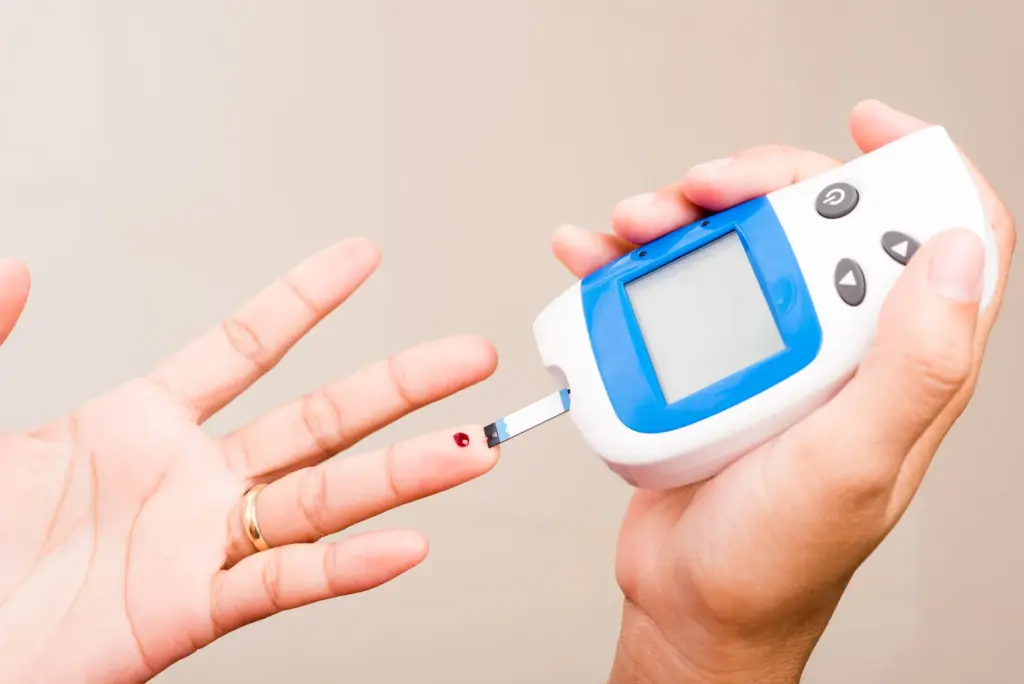
Tirzepatide reduces appetite and improves blood-sugar handling by activating the GIP and GLP-1 receptors together. That combination tends to slow how quickly the stomach empties, quiet hunger signals, and steady blood sugar after meals. Most people notice that they feel full sooner, stay full longer, and think about food less, which naturally lowers how much they eat.
| Pathway | What it does in the body | Why it matters for weight |
|---|---|---|
| GLP-1 | Slows stomach emptying and signals fullness to the brain; helps release insulin when blood sugar is high. | You feel satisfied on less food and reach for snacks less often. |
| GIP | Supports the body’s insulin response to meals and appears to influence how the body stores and uses fat and sugar. | Adds a second lever on appetite and metabolism that GLP-1 alone does not pull. |
| Both together | Coordinated effect on hunger, fullness, and blood-sugar steadiness after eating. | Smaller portions and fewer cravings become easier to sustain day to day. |
Less hunger and smaller portions
The most noticeable everyday effect is on appetite. By slowing digestion and turning up your natural fullness signals, tirzepatide makes it easier to stop eating when you have had enough and to go longer between meals without feeling ravenous. That is the mechanism behind the weight change.
Steadier blood sugar
Both hormones help your body respond to the sugar in a meal in a measured way, softening the spikes and crashes that can drive cravings a couple of hours after eating. That is part of why appetite feels more predictable on the medication. Because these effects are tied so closely to your hormones, it is worth understanding how hormone health influences your results.
What do studies show about results?
In studies, on average, people using tirzepatide alongside diet and activity changes lost a meaningful share of their body weight, with larger losses at the higher doses. In the main clinical trials, average reductions reached roughly 15 to 21 percent of starting body weight at the top doses over about 72 weeks. Those are averages from controlled studies, and your own experience can land above or below.
In clinical studies, on average, participants lost a significant portion of their body weight over about a year and a half. Averages are not promises, and real results vary with your dose, your plan, and how consistently the whole program is followed.
A few points keep those numbers in perspective. Trial participants did not take a medication alone; they also followed structured nutrition and activity plans, which is exactly why supervision matters. Weight tends to come off gradually as the dose is increased over months, and plateaus are normal. If your progress stalls, that is usually a signal to adjust the plan rather than a sign of failure, something we cover in our guide on why progress can stall on GLP-1 medications.
What are the common side effects?
The most common side effects of tirzepatide are gastrointestinal, and for most people they are mild to moderate and temporary. Nausea, diarrhea, constipation, indigestion, and reduced appetite are mentioned most. They tend to show up when the dose is first increased and to settle as the body adjusts.
- Nausea is the most common early complaint and usually eases within a few weeks. Smaller meals and going lighter on very rich or greasy food help.
- Constipation or diarrhea can come and go as digestion slows. Fluids, fiber, and gentle movement keep things regular.
- Reduced appetite and early fullness are partly the point of the medication, but they make protein and hydration easy to neglect.
- Injection-site reactions are usually minor and short-lived.
Two things make a real difference. A gradual dose schedule gives your body time to adapt and keeps side effects smaller and less likely, and simple nutrition adjustments (steady water, adequate protein, and enough fiber) prevent most of the discomfort in the first place. Some side effects are less common but more serious, which is one more reason this is a supervised medication and not a do-it-yourself one. Report anything severe, persistent, or worrying to your provider promptly.
Who may be a candidate?
Tirzepatide may suit adults managing excess weight or related metabolic concerns who have found that lifestyle changes alone have not been enough. It is not right for everyone, and candidacy is always determined in a consultation with a licensed provider who reviews your full history.
A good evaluation looks at more than a number on the scale. Your provider will consider your medical history and current medications, your history with weight and metabolism, and your goals. Broader factors matter too, because thyroid function, stress hormones, sleep, and reproductive hormones all shape how your body responds, so addressing hormone health can be part of getting the most from any program. If you are still deciding whether an injectable medication is the right route for you, our overview of whether weight-loss injections are right for you is a good place to start, and our explainer on oral and injectable semaglutide covers a related option in the same family.
Why physician supervision and a whole-body plan matter

Tirzepatide works best as one tool inside a supervised, whole-body plan, not as a standalone fix. A medication can lower appetite, but it cannot choose your food, protect your muscle as you lose weight, or tell you when the dose needs adjusting. That is the work of a plan and the people guiding it.
At Pure Body Health, that plan pairs the medication with nutrition that protects lean muscle, protein and fiber targets that steady digestion, and attention to the hormones that shape how well any medication works. For some patients, peptide therapy supports energy and recovery in a complementary role. Supervision also means the plan can change with you: dose adjustments to soften side effects, strategies when progress plateaus, and a conversation about maintaining your results over time. For the fuller picture of how these medications fit into weight loss, our guide to how semaglutide works for weight loss is a useful companion read.
At Pure Body Health in South Tempe, our medically supervised weight-loss program is led by two licensed naturopathic physicians who look at the whole body, not just the scale. If you are curious whether tirzepatide fits your goals, a consultation is the way to find out. Book a consultation or call (480) 427-0442.
About the authors. Dr. Scott Maymon, ND, MPH, and Dr. Sarah Stone, ND, are the licensed naturopathic physicians of Pure Body Health in South Tempe, Arizona (AZ licenses #15-1497 and #15-1496). Both earned their doctorates at the Southwest College of Naturopathic Medicine in Tempe, and they work together across hormone and metabolic health, weight management, regenerative medicine, aesthetics, and men’s and women’s health. They have cared for the South Tempe and greater Phoenix community since 2015, and they write and review this content together.
Frequently asked questions
How does tirzepatide work for weight loss?
Tirzepatide activates two gut-hormone receptors at once, GIP and GLP-1. Together they slow how fast the stomach empties, signal fullness to the brain, and help the body handle blood sugar more steadily. For most people that means less hunger, smaller portions, and fewer cravings, which supports gradual weight loss when paired with nutrition and activity.
What is tirzepatide?
Tirzepatide is an injectable prescription medication given once a week. It is a dual agonist, meaning it acts on both the GIP and GLP-1 gut-hormone pathways. It is used to support blood-sugar control and weight management under a provider’s supervision, alongside diet and lifestyle changes.
How much weight can you lose on tirzepatide?
Results vary from person to person. In clinical studies, participants lost on average roughly 15 to 21 percent of their body weight at the higher doses over about 72 weeks, alongside diet and activity changes. Your own results depend on your dose, your plan, your other health factors, and how consistently the whole program is followed.
What are the side effects of tirzepatide?
The most common side effects are gastrointestinal. Nausea, diarrhea, constipation, indigestion, and reduced appetite are the ones people mention most. They are usually mild to moderate, tend to appear as the dose increases, and often ease over time. A gradual dose schedule and simple diet adjustments help. Report severe or persistent symptoms to your provider.
Who is a candidate for tirzepatide?
Candidacy is determined in a consultation with a licensed provider. It is generally considered for adults managing excess weight or related metabolic concerns when lifestyle changes alone have not been enough. It is not appropriate for everyone, and your provider reviews your health history, current medications, and goals to decide whether it fits your situation.
This article is educational and is not medical advice. It is not intended to diagnose, treat, prevent, or cure any disease. Tirzepatide is a prescription medication that is not appropriate for everyone, and candidacy is determined by a licensed provider. Individual results vary. Always talk with your healthcare provider about your own situation.