Reading time: three minutes
Skin repair slows as collagen production declines and cellular recovery becomes less efficient. This change can contribute to reduced firmness, uneven texture, and visible aging. Glow peptide protocols are sometimes used in regenerative medicine to support biological processes involved in tissue repair and skin regeneration.
What Is the Glow Peptide Stack?
The glow peptide stack refers to a peptide protocol used to support biological pathways involved in tissue repair and collagen production. Peptides are short chains of amino acids that act as signaling molecules within the body, helping regulate cellular activity.
The glow peptide stack typically includes three peptides studied for their roles in tissue repair:
- GHK-Cu, a copper peptide associated with collagen signaling and skin repair.
- BPC-157, a peptide investigated for its potential role in tissue recovery.
- TB-500, a peptide studied for its involvement in cellular repair and inflammatory balance.
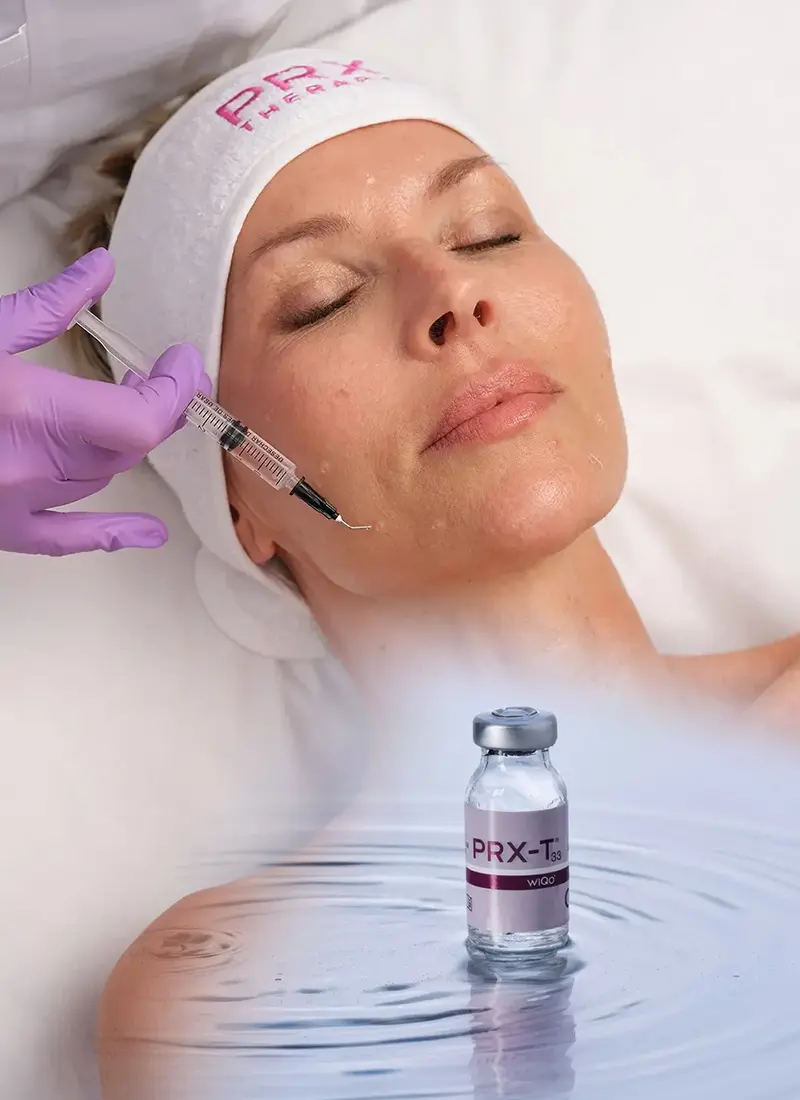
These peptides are typically administered as a series of injections by a trained healthcare provider as part of a structured treatment protocol.
Glow Peptide Benefits for Skin Health
Peptides involved in this protocol have been studied for their potential role in supporting biological processes that influence skin repair and regeneration.
Potential benefits may include:
- Supporting collagen production involved in skin strength and elasticity
- Encouraging normal tissue repair processes
- Supporting structural proteins that help maintain skin integrity
- Helping the skin recover after regenerative treatments
By supporting these repair mechanisms, peptide therapy may contribute to improved tissue recovery and overall skin structure over time.
Why Collagen and Skin Repair Decline Over Time
Skin constantly renews itself through cellular turnover and collagen production. As the body ages, these processes gradually slow, which affects how efficiently the skin can repair everyday environmental damage.
Several biological changes contribute to this shift:
- Collagen production gradually decreases
- Elastin fibers weaken and lose flexibility
- Cellular turnover becomes slower
- Environmental stressors increase inflammatory activity in the skin
When repair slows, the skin may lose structural support and elasticity, contributing to common visible changes associated with aging.
Regenerative Skin Treatments and Peptide Support
Many regenerative skin treatments work by activating the body’s natural healing response. When the skin experiences controlled stimulation, collagen production and tissue remodeling increase as part of the repair process.
Examples of treatments that stimulate collagen production include:
- Cellenis PRP, which uses concentrated growth factors from a patient’s own blood
- Microneedling, which creates controlled micro-injuries that activate the skin’s healing response
These treatments initiate tissue repair signals within the skin, encouraging collagen formation and structural renewal. Peptide protocols may be incorporated alongside these procedures to support the biological processes involved in tissue recovery while regeneration is taking place.
Regenerative Skin Care at Pure Body Health
Skin repair and collagen health are influenced by many biological factors, including inflammation, nutrition, and overall cellular function. At Pure Body Health, Dr. Scott Maymon, ND, MPH and Dr. Sarah Stone, ND evaluate these factors when developing personalized skin treatment plans.
Their regenerative medicine approach focuses on identifying what may be affecting skin health and recommending therapies that support the body’s natural repair processes.
Peptide Therapy in Tempe, AZ
To book an appointment at our wellness clinic in Tempe, AZ, call (480) 427-0442 or visit us at 1553 W Todd Drive, Suite 106, Tempe, AZ.
FAQs
NAD therapy primarily supports cellular energy production and metabolic function. Glow peptide protocols are designed to support biological processes involved in tissue repair, collagen signaling, and skin regeneration.
In some cases, providers may incorporate both NAD+ and peptide therapy into a broader wellness plan. Because the two therapies influence different biological pathways, they may be used in the same treatment plan when clinically appropriate.
Glow peptide protocols are available at Pure Body Health in Tempe, AZ as part of a regenerative medicine consultation. To book a consultation, call (480) 427-0442.