
Written and medically reviewed by Dr. Scott Maymon, ND, MPH and Dr. Sarah Stone, ND, Pure Body Health, South Tempe, AZ.
Key takeaways
- Vitamin injections, lipotropic (MIC) injections, and IV therapy are support tools. They help a weight-loss plan work, but they do not cause weight loss on their own.
- Lipotropic or MIC injections combine methionine, inositol, and choline, often with B12, nutrients involved in how the body handles fat and makes energy.
- B12 helps turn food into usable energy, so correcting a deficiency can lift the fatigue that stalls a plan.
- IV therapy restores hydration and replenishes nutrients your metabolism relies on, which is most useful when you are depleted or run down.
- These work best for people with deficiencies, low energy, or a plateau, and only alongside nutrition, movement, and medical care. Results vary, and candidacy is determined in a consultation.
If you have been looking into vitamin injections or IV drips as a way to lose weight, you have probably seen a lot of confident promises. Here is the honest version. Nutrients do real work in your metabolism, and topping up the ones you are missing can make a plan feel easier and go further. What they do not do is melt fat on their own. This guide explains what each tool actually does, who tends to benefit, and what to reasonably expect.
Do vitamin injections and IV therapy cause weight loss?
No, not by themselves. No injection or IV drip burns fat directly. What they do is supply nutrients that your body uses to produce energy, process fat, and stay hydrated, all of which support the daily effort that leads to weight loss. Think of them as filling the tank, not driving the car.
Nutrient injections and IV therapy support a weight-loss plan; they do not replace one. The results come from steady nutrition, movement, and care, and the nutrients help fuel that work.
This distinction matters, because it sets honest expectations. If your energy is low or you are running short on a key nutrient, correcting that can remove a real barrier to progress. If your nutrition and activity are not yet in place, an injection will not do that job for you.
What are lipotropic (MIC) injections, and how do they support weight loss?
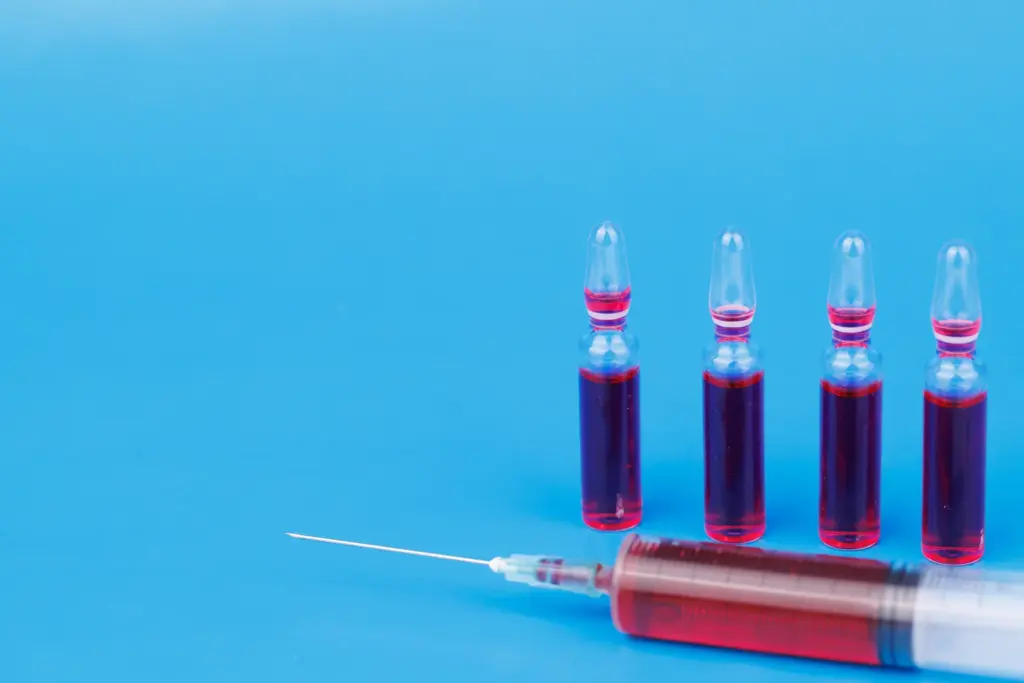
Lipotropic injections, often called MIC injections, combine three nutrients involved in fat metabolism: methionine, inositol, and choline. Many formulas also include vitamin B12. The word lipotropic simply means a substance that helps the body use or process fat. These injections may support fat metabolism and energy, but they are a supplement to a plan, not a stand-alone fat-loss treatment.
What each ingredient does
- Methionine is an amino acid that helps the liver process fats and supports the breakdown of fatty deposits.
- Inositol is a compound involved in how cells respond to insulin and how the body handles fat, which is why it comes up often in metabolic health.
- Choline supports liver function and the transport of fat out of the liver, helping fat move where it can be used for energy.
- B12 is frequently added because it supports energy production, which many people notice most in daily stamina.
Together, these nutrients play supporting roles in the pathways that turn stored fat into usable energy. For someone eating well and moving regularly, that support can help the plan feel more sustainable. It is not a shortcut, and the effect varies from person to person.
How does B12 support energy and metabolism during weight loss?
Vitamin B12 is essential for converting the food you eat into energy your cells can use, and for healthy nerve and blood cell function. It does not burn fat directly, but when you are deficient, the resulting fatigue can quietly undermine everything else. Correcting a true deficiency often restores the energy that makes consistent activity possible.
Low B12 is more common than people expect, especially with age, certain diets, gut issues, or some medications. If bloodwork shows you are low, a B12 injection for energy can be a simple, effective repletion. If your levels are already normal, the benefit is smaller, which is exactly why we test rather than guess. Some patients also ask about NAD injections for energy and focus, another cofactor-based option we can discuss based on your goals.
Which other nutrients act as metabolic cofactors?

Beyond B12, several vitamins and minerals act as cofactors, meaning your body needs them present for its energy and fat-processing reactions to run smoothly. Being low in these can leave you tired, sluggish, or stuck. Repleting them supports the machinery, it does not force the outcome.
| Nutrient | Supporting role in metabolism | Why it can matter on a weight-loss plan |
|---|---|---|
| Vitamin B12 | Turns food into usable cellular energy | Correcting a deficiency lifts fatigue that limits activity |
| B-complex (B1, B2, B6) | Cofactors for energy production from carbs, fat, and protein | Supports steady daytime energy and stamina |
| Vitamin D | Involved in hormone signaling and muscle function | Low levels are common and linked to low energy and mood |
| Magnesium | Cofactor in hundreds of reactions, including energy and blood sugar | Supports sleep, muscle function, and glucose handling |
| Amino acids (methionine) | Help the liver process and move fats | Support the fat-handling pathways behind lipotropic blends |
The point is not to take everything. It is to find what you are actually short on and address that. Because so many of these nutrients tie into hormones and blood sugar, we often look at hormone health at the same time, since imbalances there can be the real reason energy and weight are not budging.
What does IV therapy do for hydration and nutrient repletion?
IV therapy delivers fluids and nutrients directly into the bloodstream, which restores hydration quickly and repletes nutrients efficiently. On a weight-loss plan, its role is supportive: hydration and adequate nutrients are the background conditions your metabolism needs to function well. IV therapy does not remove fat, but it can help you feel resourced enough to keep going.
Dehydration is easy to mistake for hunger or fatigue. Restoring fluids and nutrients can steady your energy and appetite signals, which makes sticking to a plan more manageable.
Appetite-lowering routines and lower food intake can also lower how much you drink, so mild dehydration sneaks up on many people who are losing weight. Our IV support treatments can be tailored with hydration and specific nutrients, and if you want the deeper background, our overview of IV therapy for dehydration explains how it works. For most people, water and food come first, with IV therapy as a targeted boost rather than a routine crutch.
Who benefits most, and what should you realistically expect?
These tools help most for a specific set of people: those with a confirmed nutrient deficiency, those with persistent low energy that is holding back their activity, and those who have hit a stubborn plateau despite doing the right things. For someone already well-nourished and energetic, the added benefit is modest.
Realistic expectations
- They support, not substitute. The weight change comes from your overall plan. Nutrients help that plan run.
- The biggest gains come from correcting a real gap. Fixing a genuine deficiency can feel dramatic; topping up when you are already full does little.
- Results vary. Energy, appetite regulation, and how you feel are often the first things people notice, not an overnight change on the scale.
- Testing beats guessing. Bloodwork tells us what you actually need, so the plan is targeted rather than a shotgun of supplements.
If you are plateaued, nutrients are only one lever. Our guide to steps you can take to break a weight-loss plateau walks through the others, from protein and sleep to activity and stress.
How these fit alongside nutrition, movement, and medical care
Nutrient support belongs inside a complete plan, not in place of one. The foundation is always nutrition that protects muscle and steadies blood sugar, regular movement, sleep, and hydration. Injections and IV therapy sit on top of that foundation, filling specific gaps so your body has what it needs to do the work.
This is where supervision earns its keep. When a licensed provider can see your labs, your energy, your goals, and any medications together, the nutrient piece is chosen to fit the rest of the plan rather than layered on blindly. If you want a fuller picture of that root-cause approach, our overview of the naturopathic approach to weight loss covers it, and if you are weighing medication too, our honest look at whether weight-loss injections are right for you is a good companion read.
At Pure Body Health in South Tempe, our medically supervised weight-loss program uses testing to find what your body actually needs, then adds nutrient support only where it helps. If low energy or a plateau is holding you back, a consultation can map the right next step. Book a consultation or call (480) 427-0442.
About the authors. Dr. Scott Maymon, ND, MPH, and Dr. Sarah Stone, ND, are the licensed naturopathic physicians of Pure Body Health in South Tempe, Arizona (AZ licenses #15-1497 and #15-1496). Both earned their doctorates at the Southwest College of Naturopathic Medicine in Tempe, and they work together across hormone and metabolic health, weight management, regenerative medicine, aesthetics, and men’s and women’s health. They have cared for the South Tempe and greater Phoenix community since 2015, and they write and review this content together.
Frequently asked questions
Do lipotropic (MIC) injections cause weight loss?
Not on their own. Lipotropic injections combine methionine, inositol, and choline, often with B12, nutrients involved in how the body processes fat and produces energy. They are a support tool that works alongside nutrition, movement, and medical care, and they do not replace a calorie-aware, protein-forward eating plan. Results vary from person to person.
What is in a lipotropic injection?
A lipotropic or MIC injection typically contains methionine, inositol, and choline. Many formulas also add vitamin B12 and sometimes B-complex vitamins. Each ingredient plays a role in fat metabolism, liver function, or energy production. The exact blend and dose are chosen for you during a consultation.
Is a B12 injection good for weight loss?
B12 does not directly burn fat, but it is essential for turning food into usable energy. If you are low in B12, correcting that deficiency can lift fatigue and support the activity levels that make a weight-loss plan work. For people with normal B12 levels, the benefit is smaller.
Can IV therapy help with weight loss?
IV therapy supports weight loss indirectly by restoring hydration and replenishing nutrients your body needs to make energy and metabolize fat. It is not a fat-loss treatment by itself. It is most useful for people who are dehydrated, depleted, or struggling with energy while following a plan.
Who should consider nutrient injections for weight loss?
They tend to help most for people with a confirmed nutrient deficiency, persistent low energy, or a stubborn plateau despite a solid routine. They are a supporting tool inside a supervised plan, not a first step or a stand-alone solution. Candidacy is determined in a consultation with a licensed provider.
This article is educational and is not medical advice. It is not intended to diagnose, treat, prevent, or cure any disease. Nutrient injections and IV therapy are not appropriate for everyone, and candidacy is determined by a licensed provider. Individual results vary. Always talk with your healthcare provider about your own situation.