
By Dr. Sarah Stone, ND, Naturopathic Physician. Medically reviewed by Dr. Scott Maymon, ND, MPH and Dr. Sarah Stone, ND, Pure Body Health, South Tempe, AZ.
Key takeaways
- When appetite is low, every bite counts. Build meals around protein first, then fiber-rich vegetables and slow carbohydrates, and drink water on a schedule.
- The biggest naturopathic point: do not undereat. Eating too little costs you muscle and can stall your progress. Aim to eat enough, not as little as possible.
- Protein protects muscle while you lose fat. A common target is 60 to 100 grams a day, spread across small, frequent meals.
- Limit greasy or fried food, heavy refined sugar, alcohol, and heavily carbonated drinks, because they tend to worsen nausea and reflux.
- Nausea and constipation are common and manageable with bland, low-fat meals, steady fiber and fluids, and patience through dose changes.
Semaglutide changes how much you want to eat, sometimes dramatically. But it does not tell you what to eat, and the choices you make while appetite is low shape how you feel and whether the weight you lose is fat rather than muscle. This guide covers what to prioritize, what to limit, and how to eat comfortably when food feels less appealing.
What should you eat while taking semaglutide?
Build every meal around protein first, then add fiber-rich vegetables, fruit, and whole grains, and drink water steadily through the day. Because your appetite is lower, the goal shifts from eating less to making the small amount you do eat as nourishing as possible, with protein and fiber leading every plate.
On semaglutide, the question is not how little you can eat. It is how well you can eat. A smaller appetite means every meal has to work harder for you, so protein and fiber come first and empty calories come last.
This is where a naturopathic approach differs from a simple prescription. Medication lowers appetite, but a plan makes sure the food you still eat protects your muscle, steadies your gut health, and keeps your energy up.
Why protein comes first
Protein is the most important nutrient to prioritize on semaglutide, because it preserves muscle while you lose fat and keeps you satisfied longer. When you lose weight quickly on a low appetite, some of that loss can come from muscle unless you eat enough protein to protect it. Muscle keeps your metabolism strong, so guarding it guards your long-term progress.
How much protein to aim for
A practical target for many people is roughly 0.5 to 0.75 grams of protein per pound of goal body weight per day, which often lands between 60 and 100 grams. Spread it out, aiming for about 20 to 30 grams per meal. With a smaller appetite, eating protein first makes sure you get it in before you feel full.
Easy sources to lean on
- Eggs, Greek yogurt, and cottage cheese
- Chicken, turkey, fish, and lean cuts of beef
- Beans, lentils
- A protein shake to supplement extra protein when needed on days when solid food feels like too much
Fiber, hydration, and small frequent meals
After protein, fiber and water do the most to keep you comfortable and regular. Semaglutide slows how fast your stomach empties, which is part of why you feel full, but it also makes constipation and bloating more likely. Fiber and fluids are the direct fix.
Fill the rest of your plate with fiber. Non-starchy vegetables, fruit, beans, and whole grains keep digestion moving and feed the beneficial bacteria in your gut. With smaller portions, choosing high-fiber foods over refined ones makes each bite count for more.
Drink water on a schedule, not on thirst. Appetite suppression blunts thirst too, so sip through the day rather than waiting until you feel dry. Steady hydration eases constipation and supports energy.
Eat small, frequent meals. Three large meals can feel overwhelming when your stomach empties slowly. Several smaller meals make it easier to hit your protein and fiber targets without forcing large portions.
The most common mistake we see is undereating. When appetite drops sharply, it is tempting to skip meals entirely, but eating too little slows your metabolism, drains your energy, and can stall the scale. Eat enough to fuel yourself, just eat it well.
Foods to limit while taking semaglutide
Some foods do not react with the medication but reliably make its side effects worse, especially nausea, bloating, and reflux. Limiting them is one of the simplest ways to feel better day to day. You do not have to cut them out forever, just go easy while your body adjusts.
| Food or drink | Why it can cause trouble | Try instead |
|---|---|---|
| Greasy or fried food | High fat digests slowly and sits heavy in a slow-emptying stomach, worsening nausea | Baked, grilled, or steamed lean protein and vegetables |
| Refined sugar and sweets | Large sugar loads can trigger nausea and crowd out protein and fiber | Whole fruit, or a small sweet after a protein-rich meal |
| Alcohol | Irritates the stomach, adds empty calories, and deepens nausea and dehydration | Water, sparkling water in small amounts, or herbal tea |
| Heavily carbonated drinks | Extra gas adds to bloating and fullness | Still water or lightly flavored water |
| Very large portions | Overfilling a slow-emptying stomach is a leading cause of nausea and reflux | Smaller plates, stopping before you feel full |
How to eat when semaglutide makes you nauseous
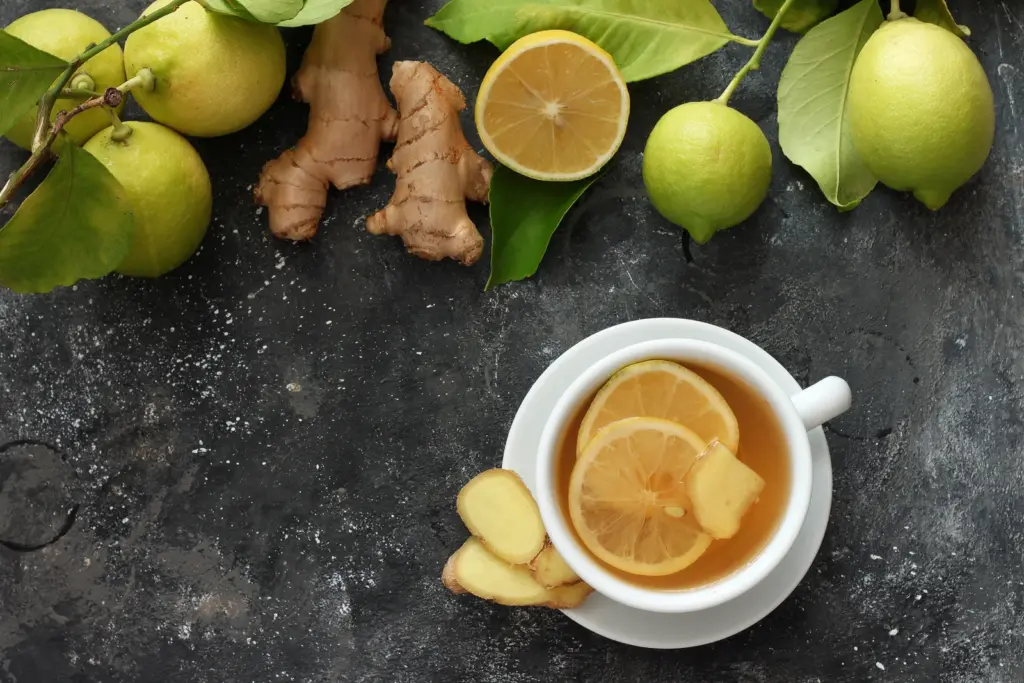
Eat small amounts slowly, stop before you feel completely full, and lean on bland, low-fat foods until the queasiness passes. Nausea is one of the most common side effects, especially in the first days after starting or raising a dose, and it almost always eases with time. How and what you eat is the fastest lever you have.
Gentle foods that tend to sit well
- Broth-based soups and plain crackers
- Oatmeal, plain rice, and toast
- Yogurt, applesauce, and bananas
- Plain lean protein such as grilled chicken or baked fish
- Ginger tea or a few slices of fresh ginger
Simple habits that help
- Eat slowly and put your fork down between bites
- Do not lie down for an hour or two after eating, which helps prevent reflux
- Keep sipping water so you do not add dehydration to the mix
- Time your heaviest meal for when nausea is usually mildest, often earlier in the day
Constipation is the other common complaint, and it responds to the same fundamentals: more fiber, more water, and gentle daily movement like a walk. If it stays off despite those steps, or if nausea is severe or keeps you from eating and drinking, tell your provider. Small changes to your dose or timing often solve it.
A simple sample day
You do not need a rigid meal plan, just a reliable pattern that leads with protein, layers in fiber, and keeps portions small.
| When | What | Why it works |
|---|---|---|
| Breakfast | Two eggs or Greek yogurt with berries | Protein first, plus fiber, when nausea is often lowest |
| Midmorning | A small handful of nuts or a piece of fruit | Steady energy, small portion |
| Lunch | Grilled chicken, beans over greens and a whole grain | Protein, fiber, and slow carbohydrate |
| Afternoon | Cottage cheese or a small protein shake | Easy way to reach your protein target |
| Dinner | Baked fish with roasted vegetables | Light and easy on a slow stomach |
| All day | Water, sipped steadily | Prevents constipation and low energy |
Hit your protein, fiber, and water first. Once those are covered, the rest of your plate has real freedom, and that single habit does more for your results than any strict rule about carbohydrates or calories.
At Pure Body Health in South Tempe, our medically supervised weight-loss program pairs the medication with a nutrition plan built to protect your muscle and keep side effects mild. If eating well on semaglutide feels like a guessing game, a consultation can make it simple. Book a consultation or call (480) 427-0442.
How Pure Body Health approaches nutrition on semaglutide
A prescription lowers appetite, but it does not build the habits that make results last. Our approach pairs the medication with a plan for protein, fiber, and hydration that protects muscle, steadies digestion, and keeps your energy up, so the weight you lose is fat and the results hold. For some patients, peptide therapy and targeted B12 injections support energy and metabolism. If the scale has stopped moving, our guides to not losing weight on semaglutide and a weight-loss plateau are good next reads. If you are earlier in the decision, see whether weight-loss injections are right for you, the difference between oral and injectable semaglutide, and how semaglutide supports weight loss. We also cover bad breath on a weight-loss medication.
About the author. Dr. Scott Maymon, ND, MPH, and Dr. Sarah Stone, ND, are the licensed naturopathic physicians of Pure Body Health in South Tempe, Arizona (AZ licenses #15-1497 and #15-1496). Both earned their doctorates at the Southwest College of Naturopathic Medicine in Tempe, and they work together across hormone and metabolic health, weight management, regenerative medicine, aesthetics, and men’s and women’s health. They have cared for the South Tempe and greater Phoenix community since 2015, and they write and review this content together.
Frequently asked questions
What should I eat while taking semaglutide?
Build every meal around protein first, then add fiber-rich vegetables, fruit, and whole grains, and drink water steadily through the day. Because appetite is low, the goal is to make the small amount you eat count. Prioritize lean protein, legumes, non-starchy vegetables, and slow-digesting carbohydrates, and eat small, frequent meals rather than skipping food.
How much protein should I eat on semaglutide?
A common target is roughly 0.5 to 0.75 grams of protein per pound of goal body weight per day, which for many people is 60 to 100 grams. Protein matters because it helps preserve muscle while you lose fat and keeps you satisfied. Spread it across the day, aiming for 20 to 30 grams per meal, so your body can use it well.
What foods should I avoid on semaglutide?
Limit greasy or fried food, heavy refined sugar, alcohol, and heavily carbonated drinks. These do not react with the medication, but they tend to worsen the nausea, bloating, and reflux that semaglutide can already cause because it slows how fast the stomach empties. Very large portions have the same effect, so smaller meals usually feel better.
How do I eat when semaglutide makes me nauseous?
Eat small amounts slowly, stop before you feel full, and lean on bland, low-fat foods such as broth, plain rice, toast, oatmeal, yogurt, and lean protein. Keep sipping water, avoid lying down right after eating, and steer clear of greasy or very sweet foods. Nausea is usually strongest in the first days after a dose increase and eases with time.
Can I eat too little on semaglutide?
Yes, and it is a common mistake. When appetite drops sharply, some people eat far too little, which can cost you muscle, slow your metabolism, and stall your progress. The goal is not to eat as little as possible but to eat enough high-quality protein, fiber, and fluids to lose fat while protecting muscle and energy.
This article is educational and is not medical advice. It is not intended to diagnose, treat, prevent, or cure any disease. Semaglutide and other weight-loss medications are not appropriate for everyone, and candidacy is determined by a licensed provider. Individual results vary. Always talk with your healthcare provider about your own situation, including any dietary changes.